Lawn Aeration and Seeding in Nashville: Timing, What to Expect, and Results Timeline
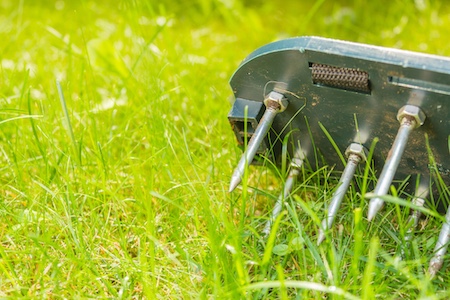
If you want a thicker turf that handles Nashville’s heat and foot traffic, lawn aeration and seeding in Nashville should be on your annual plan. Here’s a clear look at timing, what happens during the visit, and how long results usually take when you choose professional help like aeration and seeding with GeoScapes.
Nashville lawns sit in the transition zone with heavy clay soils and limestone beneath. That mix leads to compaction, shallow roots, and bare patches that won’t fill in on their own. Overseeding on a smart schedule builds density, spreads risk, and keeps your lawn greener from Green Hills to East Nashville and beyond.
Why Aeration and Seeding Matter In Nashville
Most Nashville lawns rely on cool-season tall fescue for year-round color. Summer heat, winter freeze-thaw, and regular use compress the soil and squeeze out the air pockets roots need. Core aeration pulls small plugs from the ground to open space for water, oxygen, and nutrients, and overseeding drops fresh seed into those pockets so new plants can establish.
That one-two punch works well across neighborhoods like Sylvan Park, Donelson, Bellevue, and Hermitage, where compacted clay and thin topsoil are common. It also helps lawns recover after busy backyard seasons, pets, and kids. The end goal is a thicker stand with deeper roots that resists weeds and heat stress.
The Best Time To Aerate and Overseed In Nashville
Fall is the prime window because the soil is warm, the air is cooler, and weeds are declining. In most years, that sweet spot runs from mid-September into late October, giving new fescue time to sprout and root before winter. Spring aeration can still relieve compaction, but seeding is less predictable then because annual weeds are active and summer heat arrives fast.
Weather varies street to street in Middle Tennessee, so we time visits around real conditions on your property. Shady Belle Meade backyards, sunny Brentwood slopes, and breezy lots near the river each handle moisture and temperature differently. Your technician factors in shade patterns, irrigation coverage, and recent rainfall to align the service with the best germination window.
What To Expect On Service Day
Our goal is an efficient visit with minimal disruption and a clean finish. A typical appointment is thorough and methodical, so the new seed can settle where it will thrive.
- Walk-through: we review high-traffic areas, slopes, and thin spots and note irrigation heads or shallow lines.
- Core aeration: multiple passes in compacted zones create pockets that relieve pressure and open the soil profile.
- Seed placement: Premium tall fescue seed is applied to match site conditions for even coverage and strong genetics.
- Nutrient boost: We apply a starter formulation designed to support root development at establishment.
- Clean finish: we smooth gate lines, tidy hard edges, and leave soil plugs to break down naturally and feed the lawn.
You’ll also get a simple, written plan outlining what our team will monitor after the visit, including irrigation timing checks, mowing phase-in, and weed management scheduling.
How Long Results Take
Every property responds a bit differently based on shade, soil, and use. Here’s the general pattern most Nashville homeowners see after a properly timed visit.
Days 0–7: Seeds Settle In
Right after aeration and overseeding, your lawn may look dotted with soil plugs. That’s normal. Seed settles into the holes and thatch layer, staying protected and moist. Our team focuses on irrigation coverage and soil contact so germination can start smoothly.
Weeks 2–4: Germination and First Fill-In
Young fescue typically sprouts in this window with a soft, bright green haze coming through bare areas. Thin zones begin to connect, and the lawn starts to look more even. We’ll confirm mowing height and timing so tender shoots aren’t stressed as they emerge.
Weeks 4–8: Thickening and Rooting
New plants put energy into roots and tillers, so density improves across open patches and along traffic paths. Color evens out, and the surface feels more resilient. Our technicians watch for weed pressure and adjust the care plan without interrupting establishment.
Weeks 8–12: Stronger Coverage and Resilience
With deeper roots and a wider canopy, the lawn stands up better to footsteps and pet play. You’ll notice fewer thin spots and more consistent color across sun and shade. This is also when we evaluate winter readiness and plan touch-ups if a stubborn area needs extra attention.
The Next Growing Season: Full Performance
By spring, established plants shift from survival to performance. The turf responds more quickly to rainfall and light feeding, and heat tolerance improves heading into summer. With annual aeration and overseeding on a steady rhythm, the lawn keeps building density year after year.
Signs Your Lawn Is Compacted and Needs Attention
Not sure if aeration is due? These everyday cues around Nashville lawns point to compaction and thinning turf.
- Puddles that linger after rain on walk-out basements in Bellevue or flatter lots in Hermitage.
- Hard, tight soil that resists a small shovel or soil probe in sunny areas.
- Thin, brittle grass along fence lines, play sets, or dog paths where traffic is steady.
- Patchy color that greens up late each spring and fades early in late summer.
- Roots that seem shallow when you gently lift a small plug of turf by hand.
If you recognize two or more of these, it’s time to schedule your visit so fresh seed can take advantage of newly opened soil. Repeating the service annually keeps compaction in check and protects the investment you’ve already made in your yard.
Aftercare We Provide and Monitor
After your appointment, our team keeps an eye on the essentials that shape outcomes. We confirm irrigation coverage reaches corners and slopes, review mowing height as grass matures, and time weed control so young seedlings aren’t set back. We also check areas near driveways and street edges that dry out faster and need closer attention early on.
Avoid heavy foot traffic until your technician confirms the lawn is ready, especially on shaded sections that root more slowly. We’ll outline seasonal touchpoints so you know when to expect check-ins, and we’ll make adjustments for microclimates common from East Nashville courtyards to open, breezy hilltops in Brentwood.
What Can Slow Results And How We Prevent It
Two properties can receive the same service on the same day and still develop at different speeds. Here are the common obstacles in Middle Tennessee and how our process avoids them.
Uneven irrigation coverage is the first culprit on sloped or windy sites. We evaluate sprinkler reach and drift patterns so the seed doesn’t dry out along edges. Soil layering from past work can also block root depth; core aeration breaks through that layer so moisture and nutrients move where they’re needed.
Weed pressure in spring can crowd new seedlings if timing isn’t right. Don’t apply weed control too soon after seeding; our team sequences applications to protect young grass while keeping broadleaf outbreaks in check. Traffic patterns matter as well, so we’ll suggest small routing tweaks for pets and play during the early phases.
How This Fits Your Long-Term Lawn Plan
Great lawns rarely happen by accident in Nashville’s climate. A clear overseeding schedule, annual aeration, and steady care across the year produce reliable density. Many clients pair this service with seasonal cleanups and routine maintenance, so small issues never become big ones. If you’re looking for wider property support, our landscaping team can align garden beds, edges, and hard surfaces with the lawn’s growth pattern for a more polished look.
To keep things simple, we’ll map out your service window each year and lock in a week that lines up with your property’s conditions. If the weather shifts, we’ll adjust so the seed lands when it has the best chance to thrive.
Your Nashville Timeline At a Glance
Use this quick snapshot to understand how the lawn typically progresses after a well-timed visit.
- Week 1: soil plugs visible, seed secured in the profile.
- Weeks 2–3: first sprouts appear, color begins to even out.
- Weeks 4–6: thicker coverage, deeper rooting, better resilience.
- Weeks 8–12: strong stand through winter; touch-ups scheduled if needed.
- Next spring: full performance and improved heat tolerance.
Be patient with early color variations. They’re normal as different areas catch up at slightly different speeds, especially where shade and wind vary across the same yard.
Ready For A Thicker Lawn This Season?
Nashville homeowners who plan ahead see the fastest gains in density and color when fall arrives. If you want a straightforward path to improvement, start with a targeted visit and a timeline that fits your property’s microclimate.
Want expert help mapping the right window for your yard? Call GeoScapes at 615-447-8440 and we’ll reserve your spot on the schedule.
Transform Your Outdoor SpaceContact today for our Landscaping Services!