How to Spot Hidden Irrigation Leaks Before Your Water Bill Spikes: Irrigation Repair in Nashville, TN
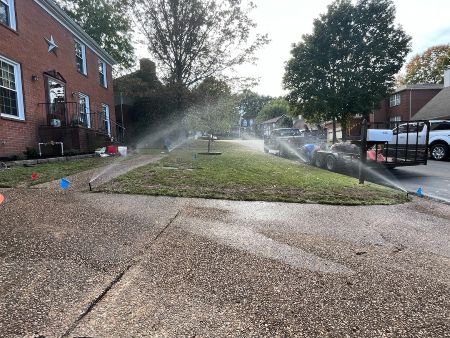
Hidden sprinkler leaks can turn a healthy lawn into a patchy, soggy mess and send your water bill soaring. If you’re a homeowner in Nashville, TN, knowing the common warning signs gives you a head start on solving the issue with professional help. This guide explains where leaks often hide, why our local soils and weather make them tricky, and what to watch for so you can schedule timely irrigation repair before small problems grow.
At GeoScapes, our licensed team pinpoints leaks without guesswork. We repair systems across Green Hills, East Nashville, Sylvan Park, Bellevue, Donelson, and nearby communities. When you notice something off, a quick call to 615-447-8440 can protect your landscape and your budget.
Why Hidden Irrigation Leaks Happen in Nashville Yards
Nashville’s clay-heavy soils hold water and expand when wet. In summer, heat and foot traffic compact the soil. In winter, occasional freezes can stress fittings and shallow lines. These shifts create small separations in pipe joints and hairline cracks that leak just enough to waste water without creating a fountain.
Tree roots are another local culprit. As roots search for moisture, they press against lateral lines, drip tubing, and fittings. Over time, that pressure can cause a slow leak underground. Add mower or edger bumps near sprinkler heads and you have a recipe for hidden problems that are easy to miss until the lawn starts telling the story.
Signs Your Sprinkler System Is Leaking
Hidden leaks rarely announce themselves. Look for patterns that show up during or after a watering cycle.
- Watch for sudden spikes on your water bill. If usage rises and your household habits have not changed, irrigation is a prime suspect.
- Persistent soggy spots that don’t dry within a day, especially along sidewalks or near downslopes.
- Low pressure in one zone usually points to a leak. Heads in that zone may barely pop up or spray weakly.
- Misting instead of a steady spray, or uneven arcs that create dry patches next to puddles.
- Hissing, bubbling, or gurgling when the system runs, even if you can’t see standing water.
- A narrow “emerald stripe” of grass that looks much greener than the rest of the lawn.
- A musty or mildew smell near the foundation or along the driveway after watering.
- Valve box leaks often attract ants or wasps. Insects seek moisture and can signal a slow, constant seep.
One more subtle clue is a zone that takes much longer to finish or never seems to complete a cycle. Controllers are timing-based, but leaks can reduce actual coverage so the area still looks thirsty after watering.
Where Leaks Hide: Nashville-Specific Trouble Spots
Our neighborhoods mix mature trees, clay soils, and plenty of fencing and hardscape edging. That creates a few classic places for leaks to develop.
- Near fence posts and along driveways where installers routed lines tight to edges.
- In mulched beds in Green Hills, Sylvan Park, and 12 South where drip lines can be nicked during seasonal planting.
- At valve boxes in older systems where gaskets have aged or lids are not seated, allowing soil movement and water intrusion.
- Under lawn sections shaded by large oaks or maples where roots squeeze fittings or lift shallow lines.
- At risers and swing joints near frequently mowed strips along sidewalks and medians.
Because clay can hold water and shift laterally, the puddle you see may not be right over the break. The wet area often forms a few feet downhill or along a hardscape channel where water travels until it finds an outlet.
How Leaks Inflate Your Water Bill In Nashville
Sprinkler systems tend to run early in the morning or at night when you are not watching. A slow seep that runs three mornings a week adds up fast over a month of summer heat. If the leak sits on the pressure side of a valve, it can waste water even when the controller is off.
Beyond raw usage, leaks reduce system efficiency. Water that escapes underground never reaches the turf. That leads to dry patches that tempt you to water longer. The system runs more, the bill climbs higher, and the turf still struggles. Fixing the leak restores pressure and makes every minute of watering count again.
Professional Testing Methods We Use In Nashville
Every property is different, but the process starts with listening to the symptoms and matching them to what we see in the field. Our trained technicians isolate zones to compare pressure and flow, then track anomalies to a likely area.
We use acoustic listening to catch subtle hisses, pressure gauges to verify inconsistencies across zones, and safe tracer techniques to narrow down underground breaks. For valve box leaks, we inspect diaphragms, seals, and wiring for damage or fatigue. When soft soil or staining suggests a below-grade fitting issue, we expose a small area to confirm rather than digging long trenches.
If coverage patterns have changed, we also evaluate head performance and height. Low or tilted heads can mimic leak symptoms by dumping water in one spot while starving another. Correcting head height and alignment restores uniformity and often reveals whether a hidden leak is also in play.
Seasonal Stress Points That Make Leaks Worse
Spring startup after winter is a prime time for issues. Even in Middle Tennessee, occasional freeze-thaw can strain shallow lines and fittings. Summer introduces heat, high demand, and more mowing, which stress risers and swing joints. Fall leaf cleanup often disturbs drip tubing in beds as rakes snag emitters or elbows.
Storms matter too. After a heavy downpour, look for unusually wet strips that remain long after the rest of the yard has dried. Water may have found a path along a tiny crack, marking the route of a leak you otherwise would not notice.
How Landscape Design Choices Affect Leak Risk
Layout decisions made years ago can influence where leaks show up today. Tight pipe runs crowded by roots or hardscape, mismatched head types on a single zone, and undersized pipe for long runs all raise stress on fittings. If your landscape plan is evolving, consider how planting beds, trees, and edges interact with irrigation lines.
When you refresh planting or hardscape, it is smart to sync irrigation updates with those changes. Thoughtful routing and head selection reduce future maintenance and protect flow. If you are rethinking beds or turf areas, our team can coordinate with your landscape design updates so the system supports the look you want without adding risk.
Preventative Maintenance For Peace Of Mind
Routine inspections catch small problems before they turn into big ones. A professional visit each season checks valves, heads, filters, and controllers for subtle red flags you might not see during a quick walk-through. That includes verifying zone pressures, confirming uniform coverage, and assessing vulnerable spots near roots and hardscape edges.
Keeping debris out of valve boxes, ensuring lids sit flush, and confirming proper head height all contribute to a healthier system. When everything works in tune, turf stays greener with less water, and hidden leaks have fewer chances to start.
What To Do When You See Trouble Signs
If your grass stays wet longer than 24 hours, if one zone never seems to keep up, or if your monthly bill suddenly jumps, move fast. Do not ignore soggy spots that linger more than 24 hours. The longer water seeps underground, the more likely it is to undermine soil, attract pests, or creep toward foundations and hardscape.
Document what you notice. Snap a quick photo of the wet area or the weak spray pattern so our team can match the symptom to your system layout. Then contact GeoScapes to schedule prompt, professional irrigation repair that targets the source without unnecessary digging.
Local Clues: Neighborhood-by-Neighborhood Nuances
Every part of town has its quirks. In older areas like East Nashville and Germantown, legacy systems may mix PVC and poly, with fittings that have aged past their prime. In Bellevue and Donelson, long lateral runs across wider lots can hide pressure losses until heads barely rise at the far end. In Green Hills and 12 South, mature trees crowd lines and raise the odds of root pressure on fittings in shaded strips.
Driveways, walkways, and patios funnel water. If you see water edging along pavers long after a cycle ends, that can be a clue that a break sits just uphill. In yards with slopes, look downhill from the soggy spot to trace where water might be traveling through the clay.
Why Choosing The Right Partner Matters
Hidden leaks demand experience. You need a team that can read the yard, not just the controller display. GeoScapes brings specialized testing tools and years of local insight to each visit, from valve box diagnostics to pinpointing lateral line issues under turf or mulch.
If your irrigation system supports new plantings, dog-friendly turf, or a fresh patio area, fast, accurate repairs protect that investment. When leaks stop, pressure and coverage return, and your lawn responds within days.
Choose GeoScapes For Irrigation Repair In Nashville, TN
If the signs point to a hidden leak, we are ready to help. Call 615-447-8440 to speak with our friendly team. For a quick start, you can also learn more about our approach to prompt, professional service right here on our site.
We serve homeowners across Nashville with responsive scheduling, clear communication, and durable fixes that stand up to our seasons. Tap here to explore our services, see how we diagnose problems, and schedule trusted irrigation repair in Nashville, TN with GeoScapes today.
Transform Your Outdoor SpaceContact today for our Landscaping Services!